



















How Qarma solves the problem
Every Stage of the Journey
One tool to manage the QC lifecycle.
Qarma is an independent, mobile-first quality and compliance platform designed to meet the specific needs of toy brands. From inspection planning to re-inspections and KPI tracking, Qarma connects every step of your QC process in a single digital workflow.
Catch & Prevent
Catch safety and quality defects on the factory floor.
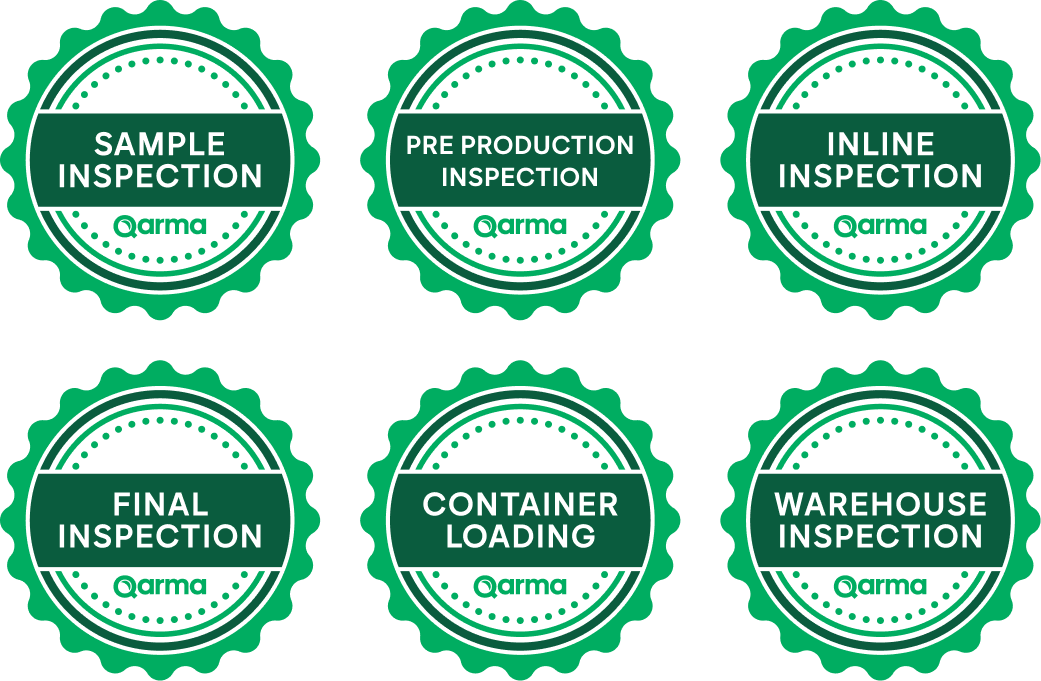
On-site inspections and AI-powered checkpoints, built on your own defect history, flag the issues that matter in kids' products: small parts, sharp edges, loose trims, seam strength, and labeling. Time-stamped, geo-tagged photos document condition the moment it leaves the factory.

Know Your Data
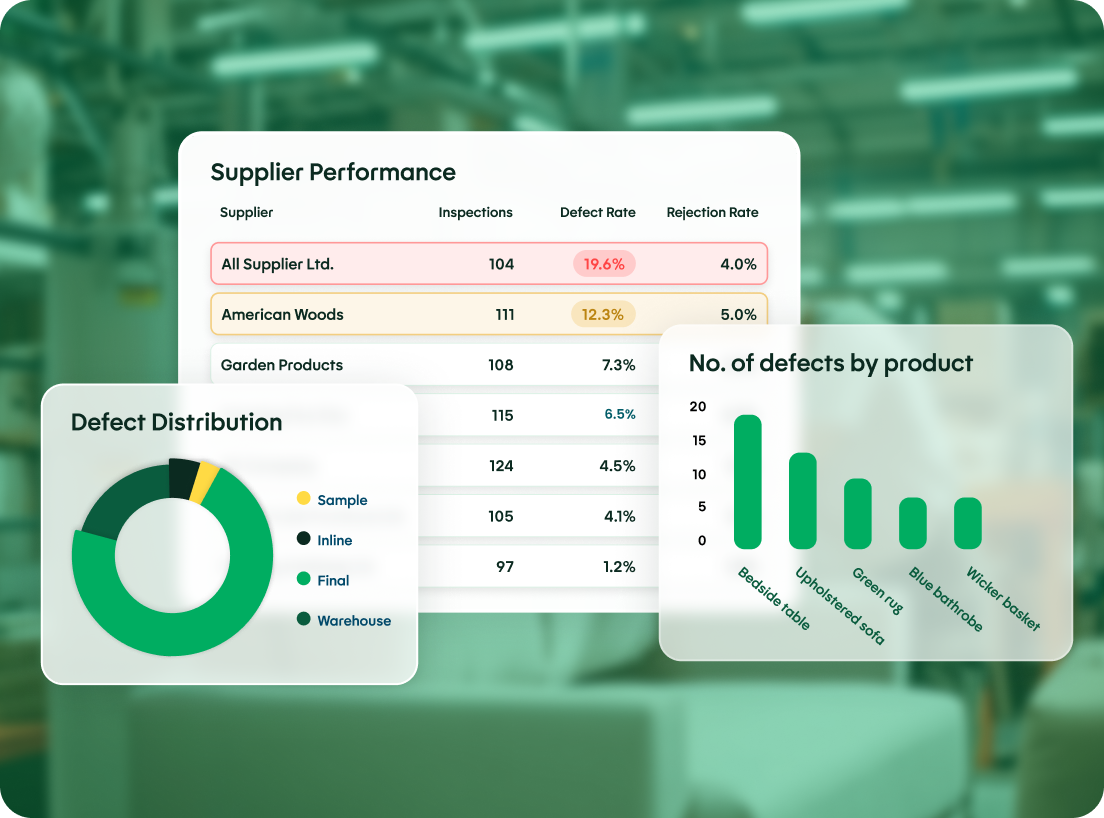
See where you should focus your attention.
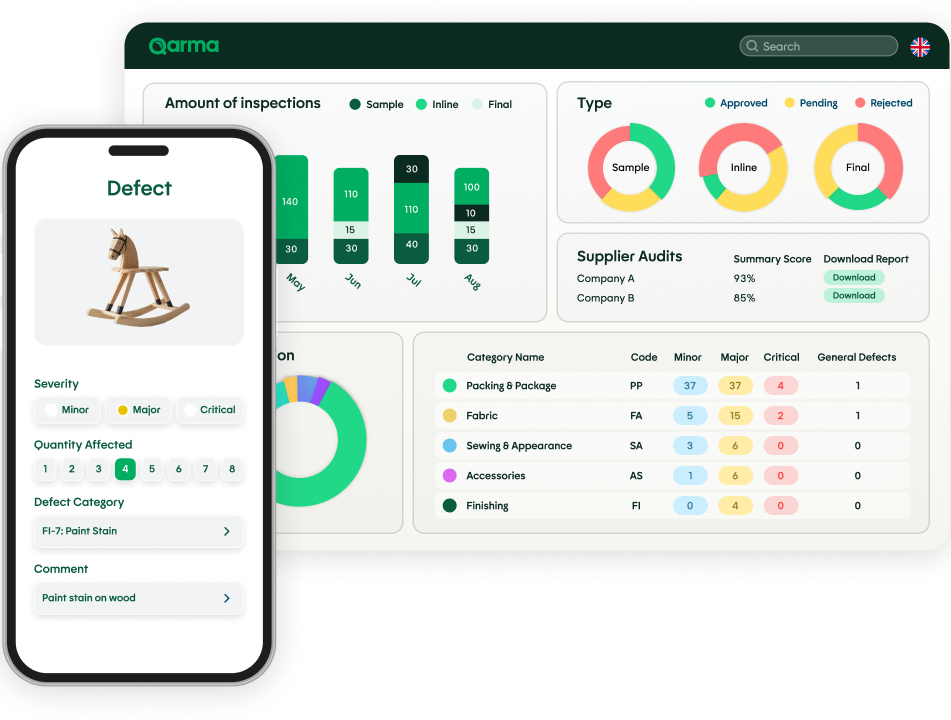
One dashboard covers inspection trends, defect severity, supplier and inspector performance, and a defect gallery you can browse photo by photo, so you can catch problems fast and track real improvement over time.
Stay Compliant
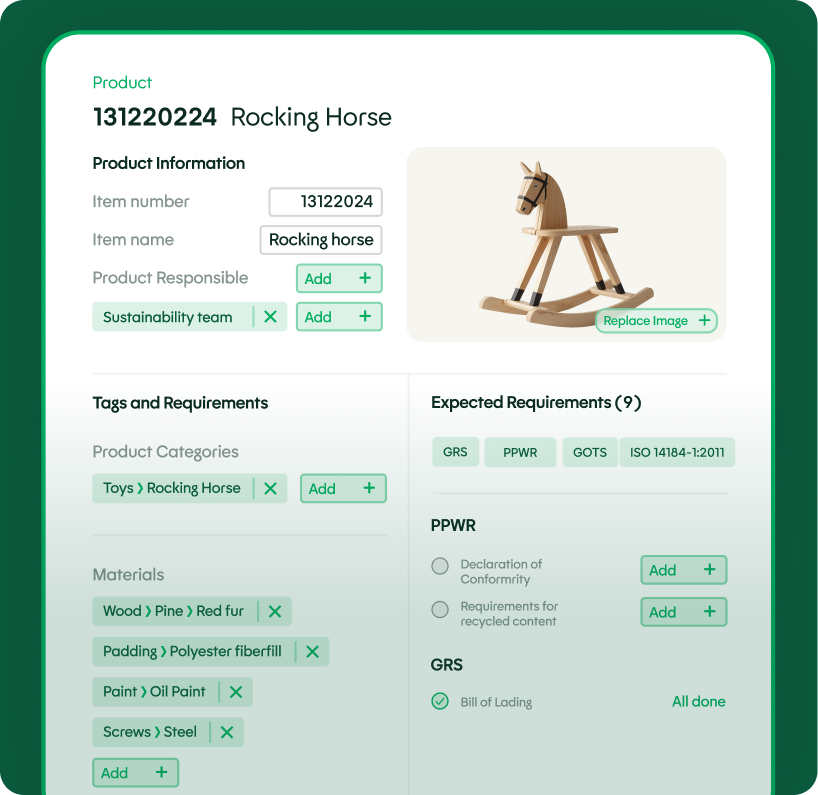
Every test report and certificate, organized per product.
Qarma Product Compliance collects test reports, certificates, and declarations of conformity from your suppliers and tracks every renewal automatically, so every document stays current. Set each requirement once, and Qarma applies it to every matching product, such as a safety file for toys sold into the EU or a certificate a key customer requires.
Manage Your Suppliers
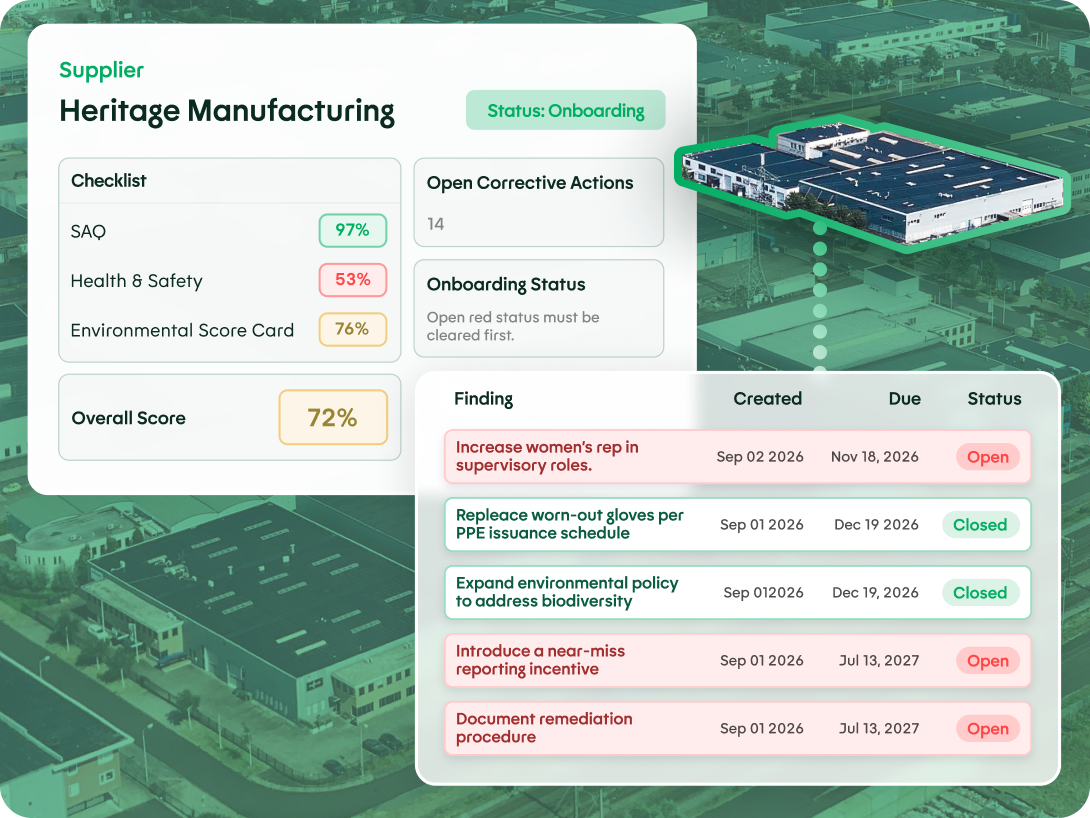
Keep on top of your supply chain.
Supplier scorecards, inspection results, and compliance status in one view, so you know who is delivering and where to focus next.