



















How Qarma solves the problem
Every Stage of the Journey
One tool to manage the QC lifecycle.
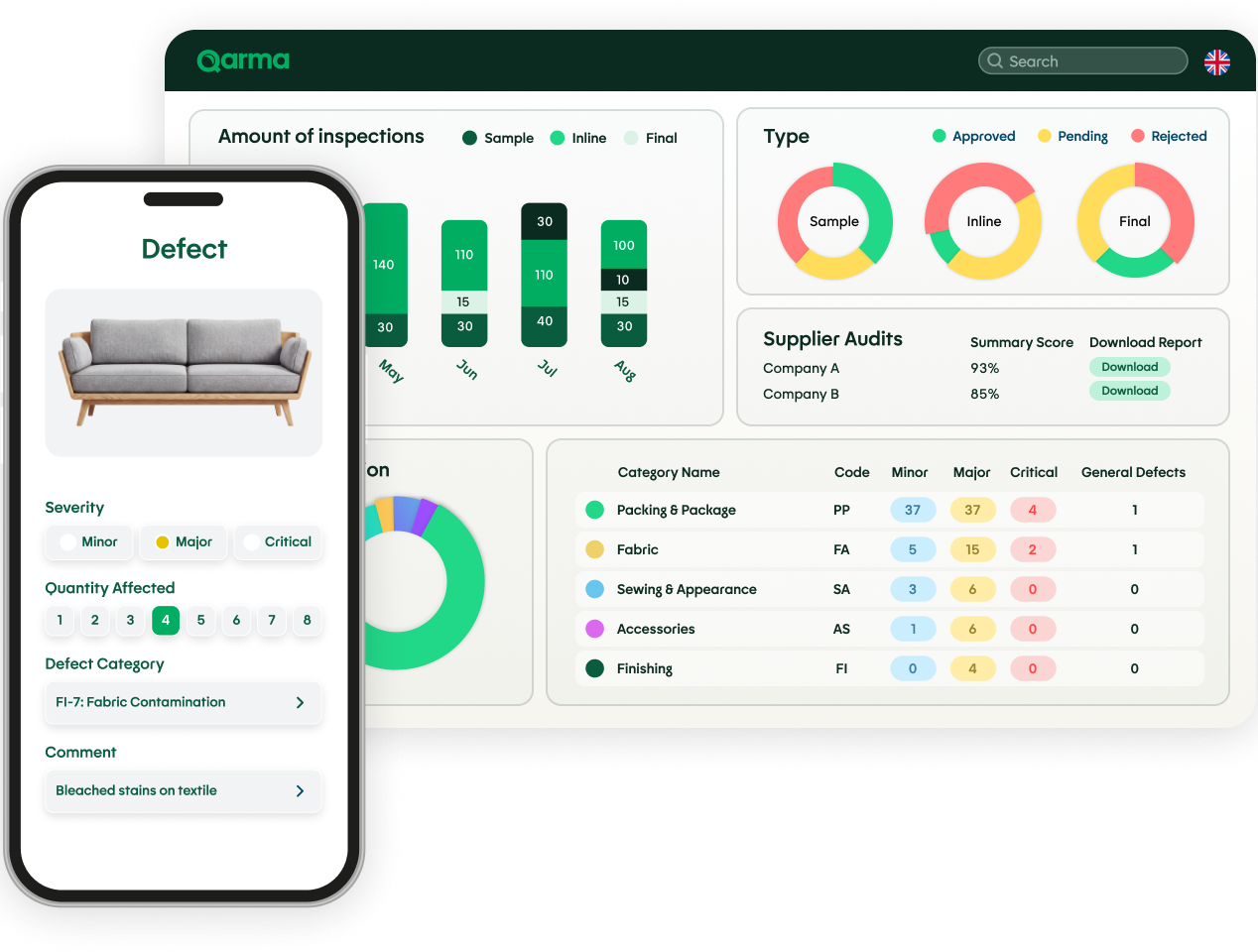
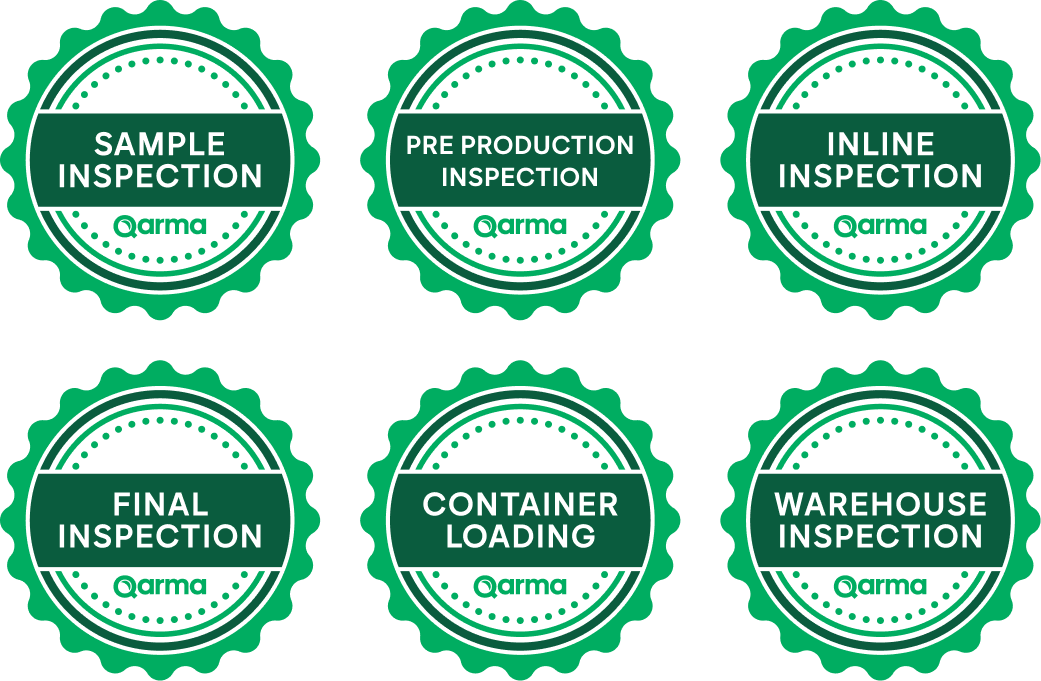
Qarma is an independent, mobile-first quality and compliance platform designed to meet the specific needs of furniture and home brands. From inspection planning to re-inspections and KPI tracking, Qarma connects every step of your QC process in a single digital workflow.
Catch & Prevent
Catch finish, structural, and dimensional defects while you can still fix them.
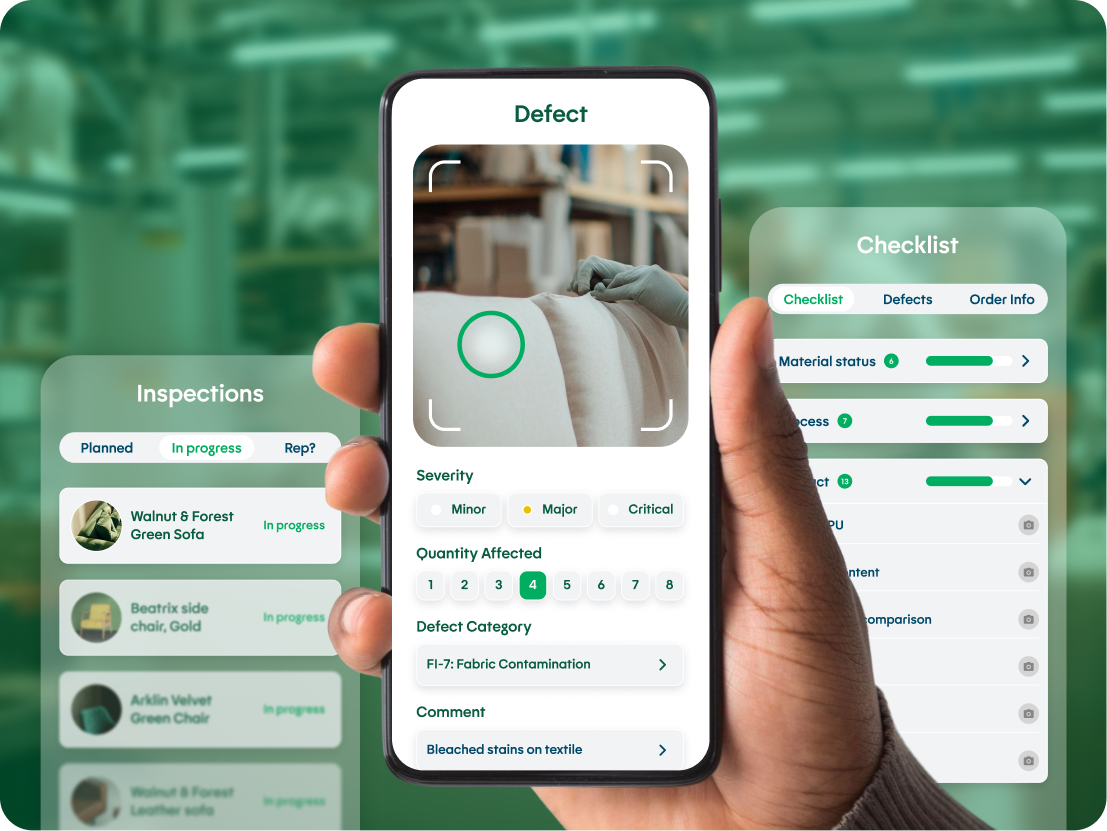
On-site inspections and AI-powered checkpoints, built on your own defect history, flag joint and structural weaknesses, finish inconsistencies, and dimension mismatches before the container loads. Time-stamped, geo-tagged photos prove the condition of goods the moment they leave the factory.
Know Your Data
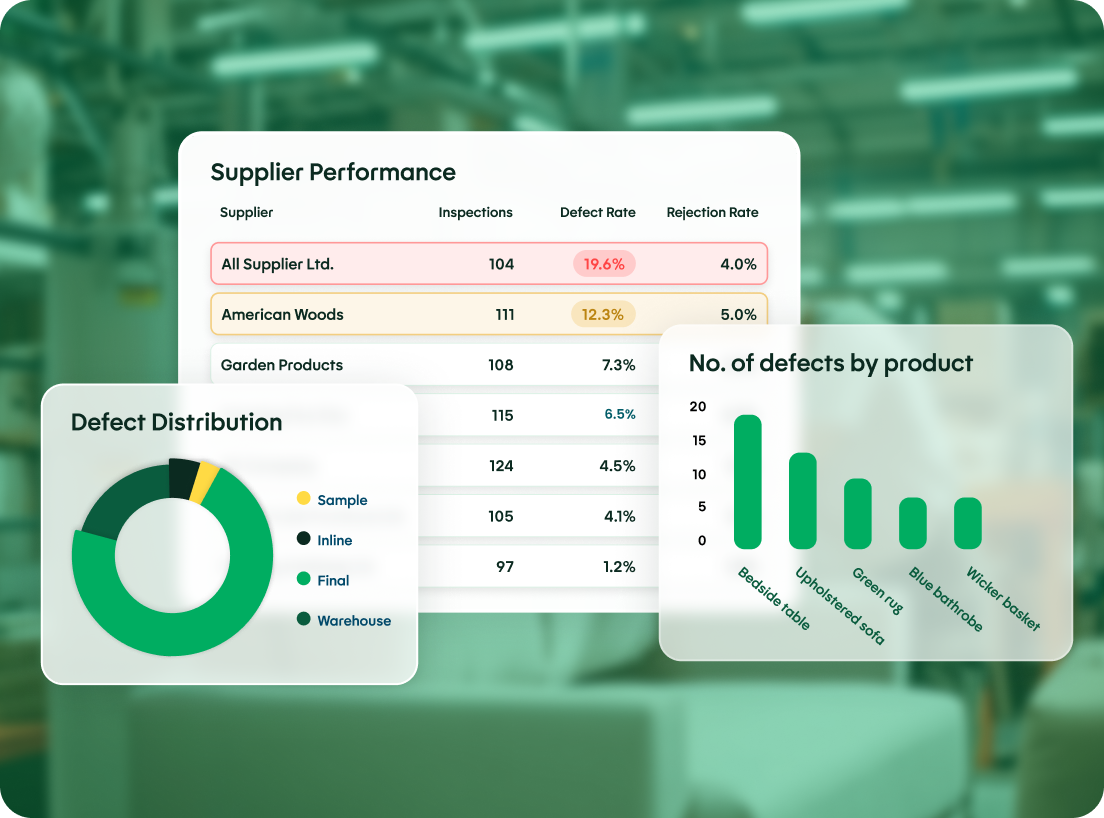
See where you should focus your attention.
One dashboard covers inspection trends, defect severity, supplier and inspector performance, and a defect gallery you can browse photo by photo, so you can catch problems fast and track real improvement over time.
Stay Compliant
Two new regulations.
One place to handle both.
Both filed through the same system, no duplicate entry, no separate logins.


PPWR
Track packaging composition, recyclability, and reporting per supplier and SKU.
Manage Your Suppliers
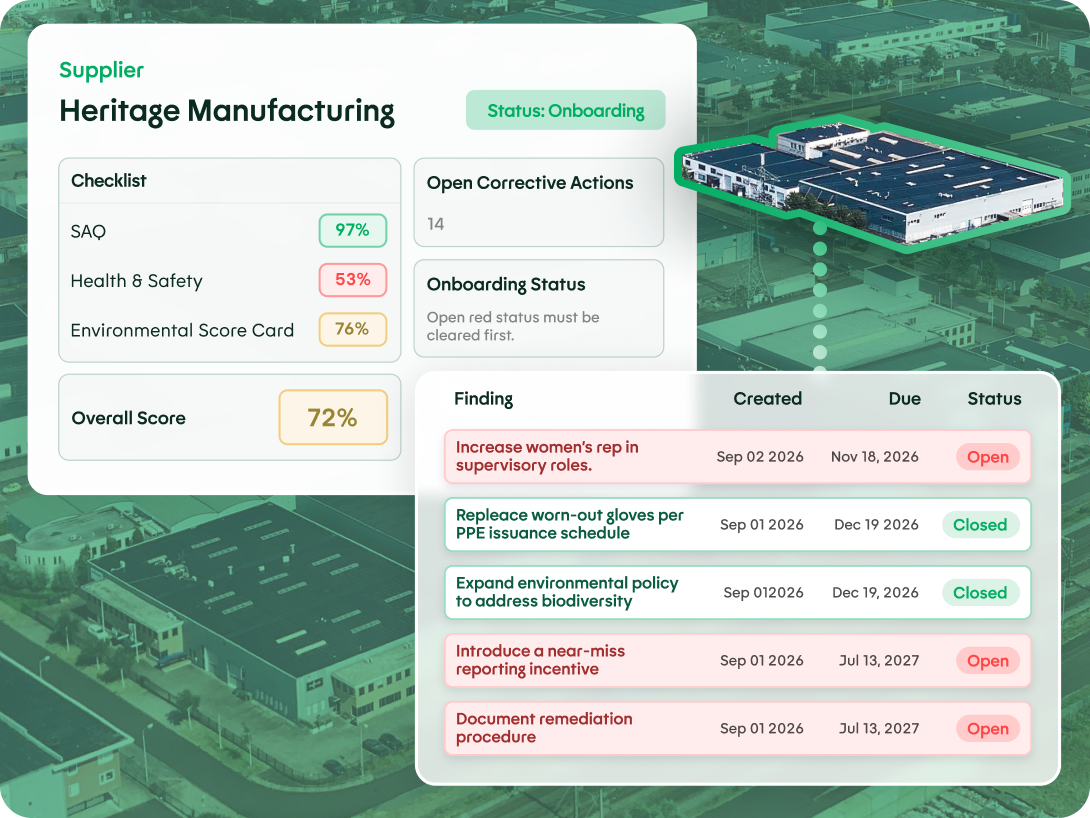
Keep on top of your supply chain.
Onboard new factories with the same standardized inspection and documentation process, so you're comparing suppliers on equal footing from day one. Once they're in, you're tracking certifications, compliance documentation, and performance for every factory in one place.