














How Qarma changes it


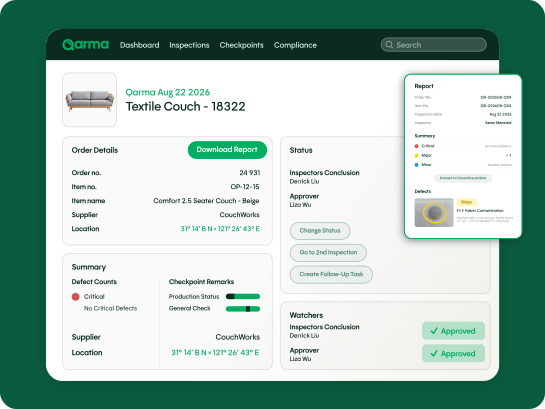
Qarma puts inspections, reports, defect photos, and supplier updates in one platform. Inspectors use standard checklists, results arrive in real time, and your team sees everything in one dashboard rather than in email threads, so you can answer a leadership question without rebuilding the story.
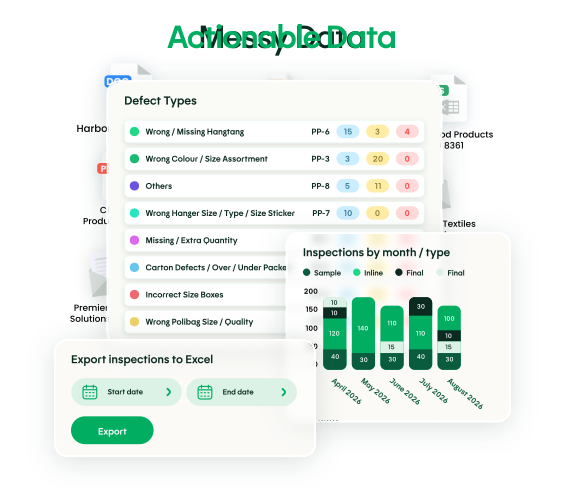
In Qarma you build checklists, defect lists, and sampling methods once and assign them by product, supplier, or inspection type. Every inspector and supplier QC then works from the same structure, so reports are comparable regardless of factory or inspector.
Yes. Inspectors capture results, photos, and defects on the mobile app, and the report is generated from that data. Nobody has to retype findings into a spreadsheet or PDF, so the inspection and the report are the same piece of work.
Qarma reduces the manual reporting work that tends to drive headcount. Reports are created from inspection data, and watchers, approval flows, and dashboards handle follow-up. Teams can cover more suppliers because they are reviewing exceptions rather than assembling reports.
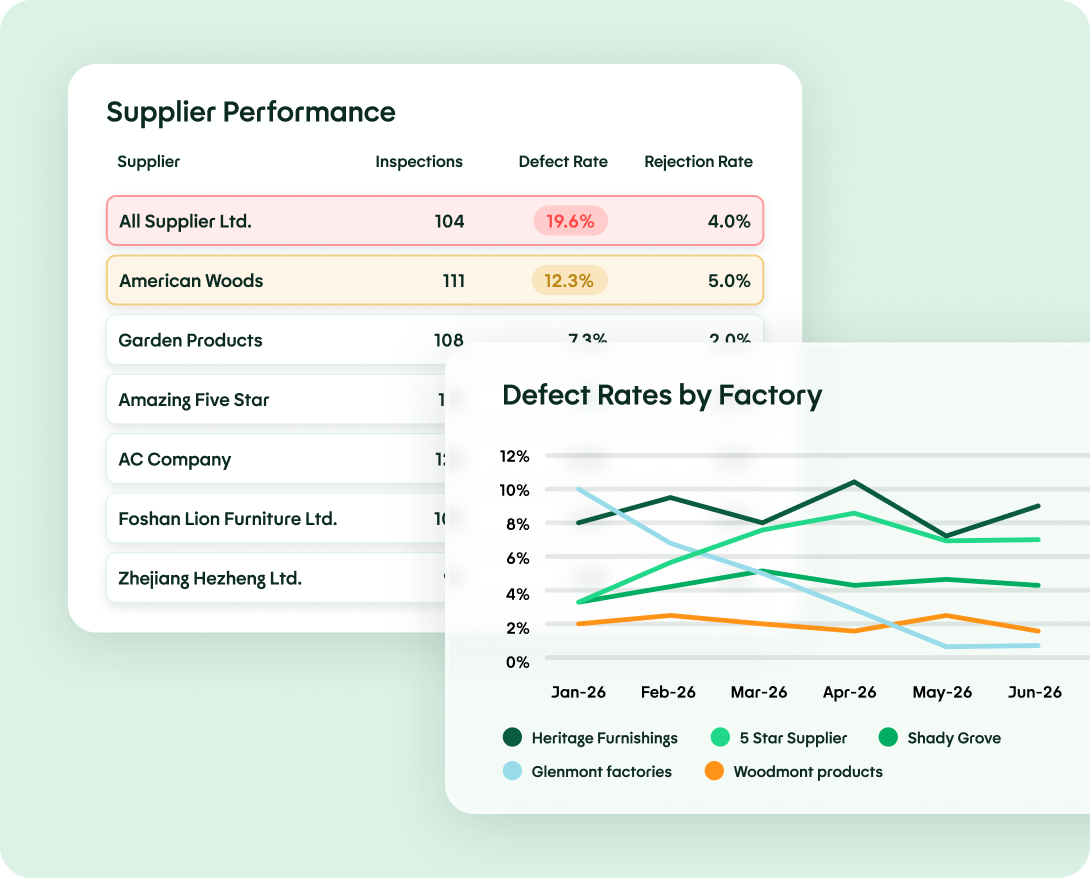
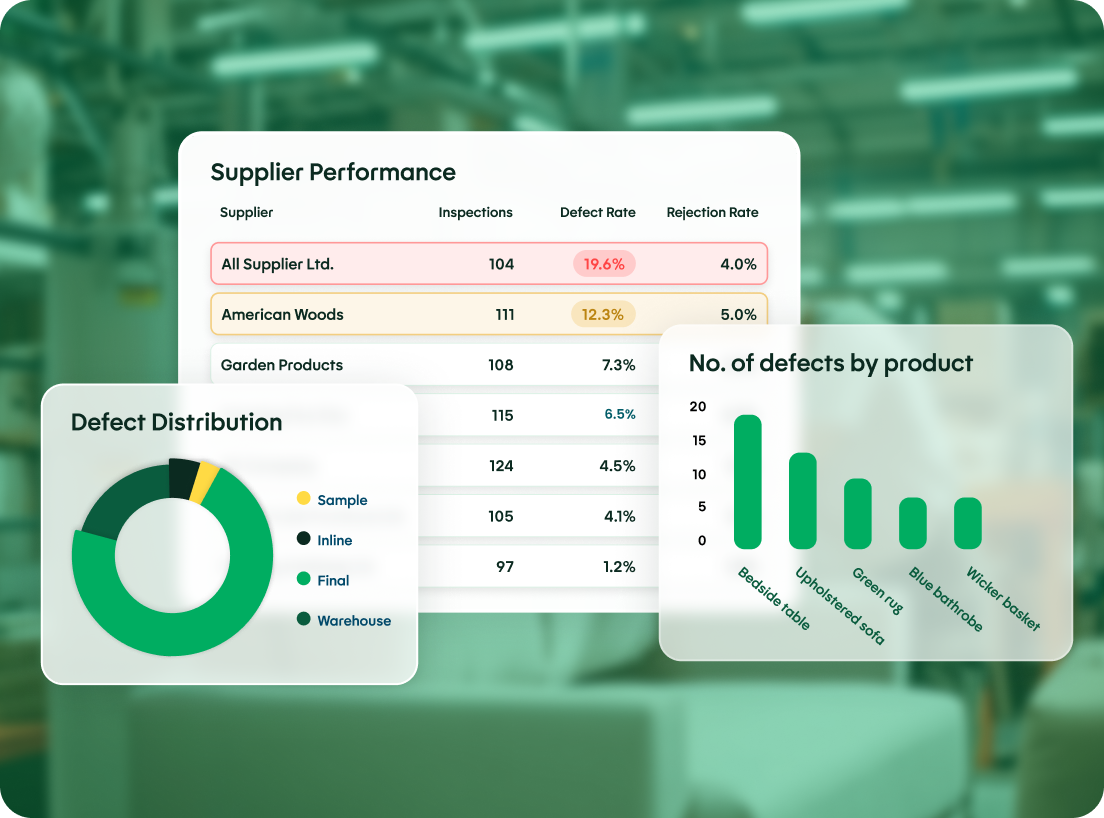
The dashboard's supplier performance view benchmarks suppliers on defect rate, rejection rate, and number of inspections, and you can drill into each supplier's history. You see which factories are improving and which are not, not only the ones generating complaints.
Yes. Dashboards show defect trends and rates by supplier, product, and time period, and charts can be exported to PDF. That lets you show leadership how many defects were caught before shipment and where the next problems are likely to come from.
Qarma supports watchers and approvers. Watchers get an email when inspections are submitted, and can be limited to certain suppliers or to rejected results. Approvers decide the final conclusion on a report, and the inspection stays pending until they act.
Yes. When an inspection fails, you can schedule a second inspection from the web platform or the mobile app, so follow-up is tracked in the same system and linked to the original result.
Yes. Corrective actions for inspections let you assign issues to a responsible person with a due date, collect evidence, and track resolution, so defects found in an inspection do not disappear into email.
A dedicated project manager guides setup, including inspection types, sampling methods, checklists, defect lists, roles, and approval flows. You start with a pilot phase where Qarma trains inspectors and shares best practices.