














Cover all audit types in your compliance program. Ready for whatever comes next.


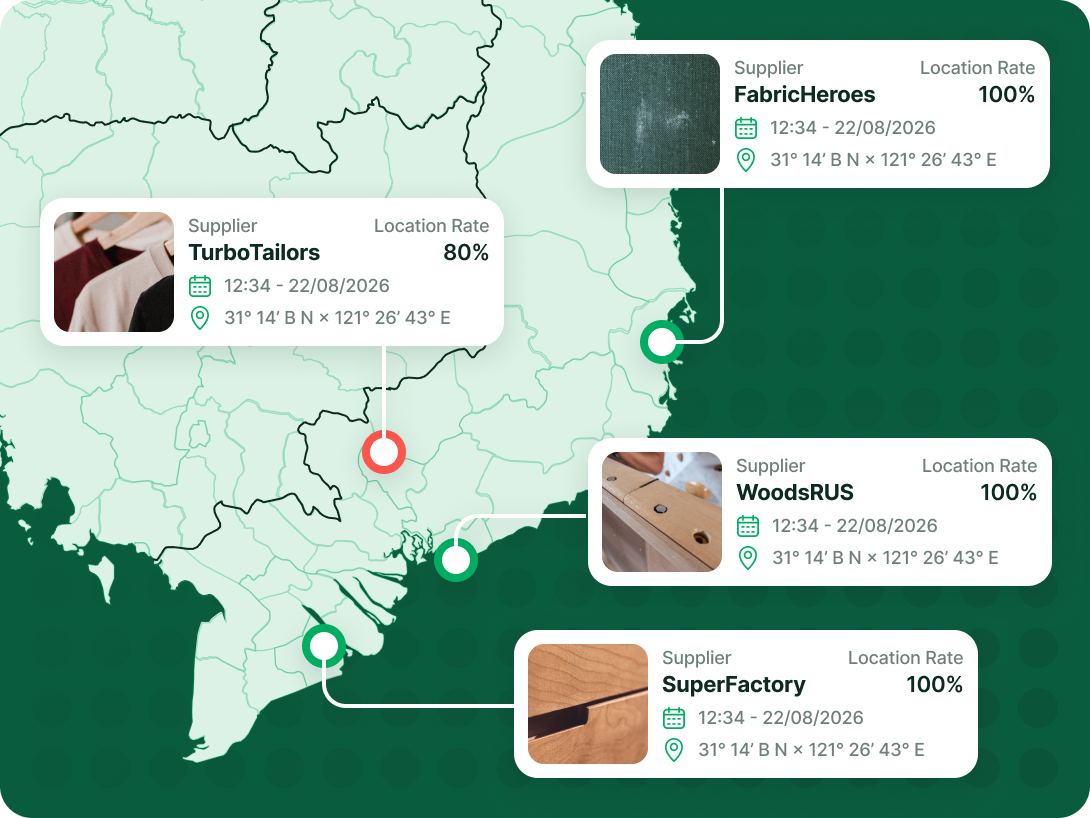
Qarma Audit and Supplier Compliance is a supply chain management module that brings all your supplier and factory data together in one place, and keeps it verified. That data comes from many sources: audits, supplier self-assessments, uploaded certificates, Excel imports and integrations with the systems you already use. Instead of each source living in its own spreadsheet or inbox, everything feeds into a single record per supplier and per production unit. Data is reviewed before it counts. Documents go through approval, auditors confirm or correct supplier details on site, and every change is logged with who made it, when, and whether it came from an audit or an integration. You define what to collect, whether that’s working conditions, environmental data, certifications or capacity, so the module fits your requirements rather than a fixed framework. The result is one reliable picture of your supply chain that your teams, your reporting and your customers can rely on.
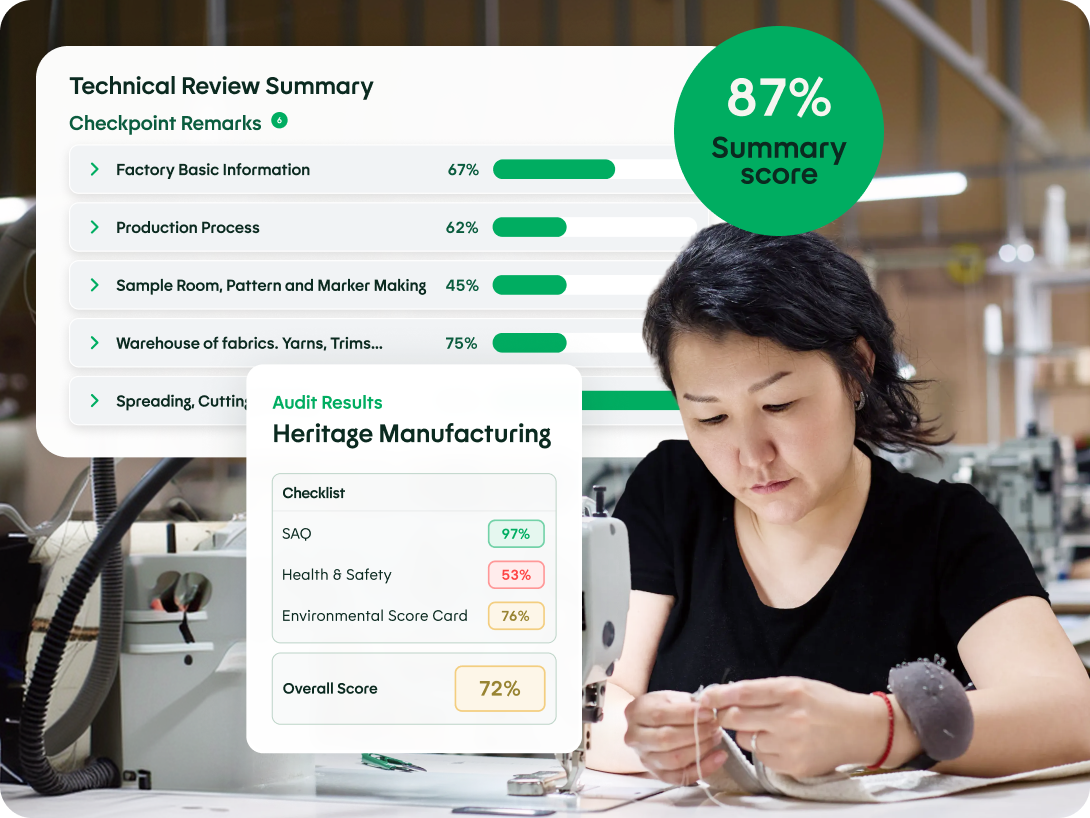
Any type you need. In Qarma, an audit is any structured way of collecting information from a supplier or factory. It can be a full on-site audit by your own team, a self-assessment the supplier completes, or a short questionnaire. Common examples are social audits, environmental audits, technical reviews of factory capabilities, onboarding surveys, quick scans and risk assessments. Audits done outside Qarma, such as third-party reports, can be added from file, so they sit in the same supplier record as everything else. You can rename audit types, add your own and build the checklists behind them, so they match the terminology and methodology your company already uses, whether that’s an internal code of conduct or a recognized framework.
Yes. You can configure scoring models using multiple-choice checkpoints with built-in point values. Qarma calculates the score when the audit is completed and shows it in the final audit report overview.
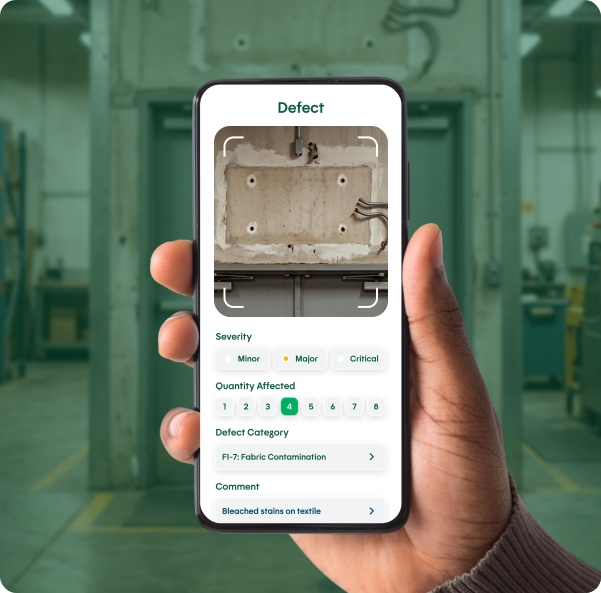
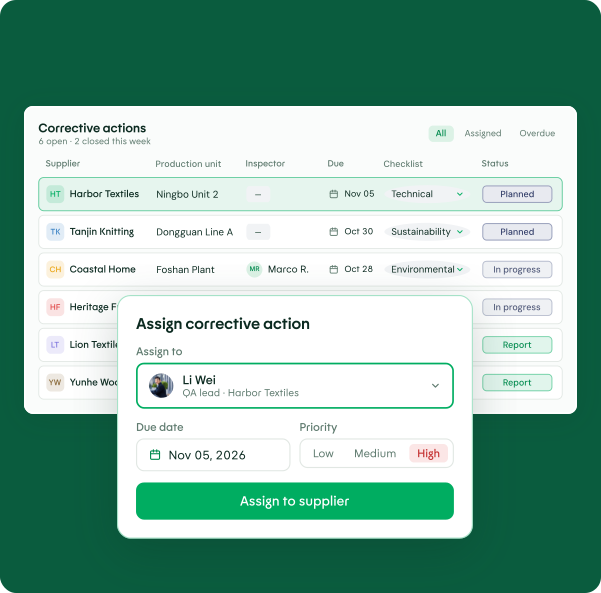
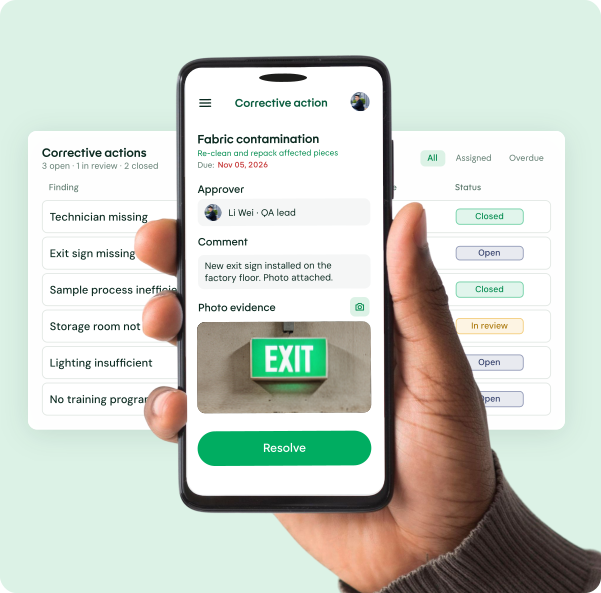
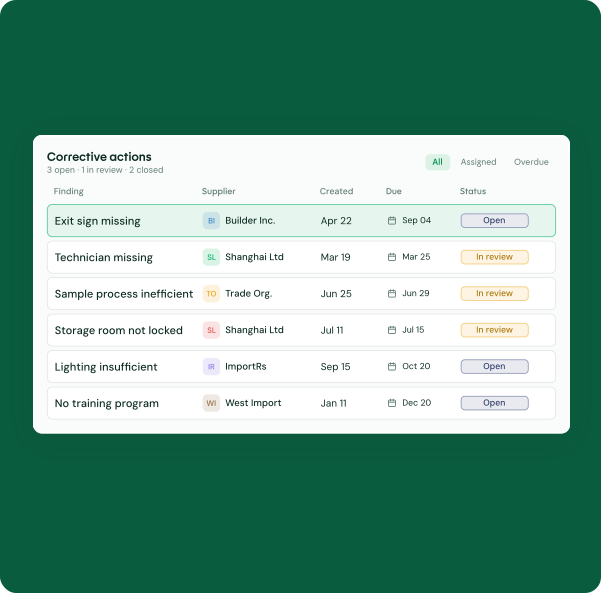
When an audit finds a problem, you create a corrective action with the finding, description, due date, responsible person, and optional approver. The responsible person resolves it with evidence, the approver signs off, and notifications go out before and after due dates.
Yes. Audits can be performed offline in the Qarma app and uploaded when the device reconnects, though some workflow stages need a connection. Downloaded audits are locked to that device to protect data integrity, and unlock support is available.
Confirmed suppliers get their own accounts. Third-party auditors, and potential suppliers or factories still being assessed, can take part through an email invite without an account, until you decide to move forward with them.
Supplier and production unit cards use customizable fields for text, multiple choice, numbers, and dates, grouped into categories such as Basic Information, Workforce, or Social Compliance. Data can come from Excel imports, system integration, or audit responses.
Yes. Supplier Documents lets you collect and track certifications and compliance documents per supplier and production unit, with expiration tracking, automated renewals, and approval flows, so you see status in one place instead of chasing emails.
Yes. You can model supply chain tiers and factories shared by several suppliers, with delegated responsibility, along with production unit statuses, so the structure in Qarma reflects how your supply chain actually works.
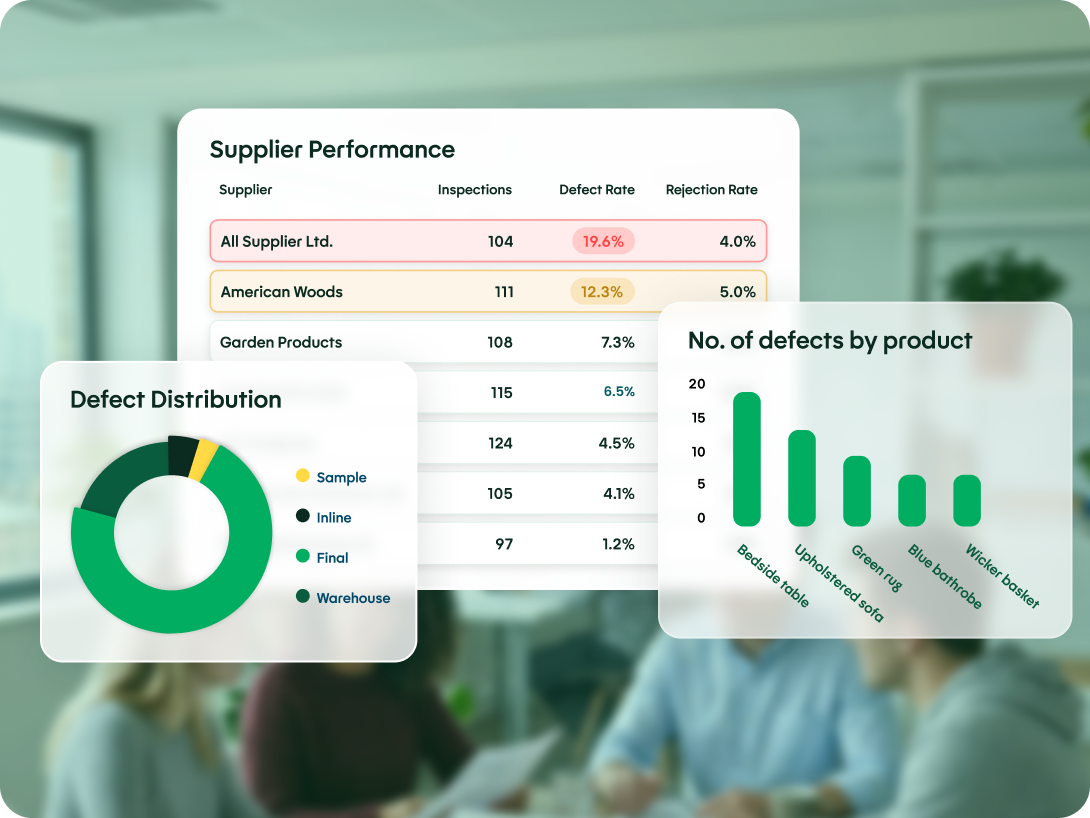
Every audit adds to the supplier’s record. Answers from social, environmental and technical audits update the supplier and factory profiles directly, so data on working conditions, energy use or certifications stays current, without anyone retyping it. Scores show how each site performs, and every finding that falls short becomes a corrective action with an owner and a deadline. Over time, that builds a verified history of each supplier: what was checked, what was found, and what was fixed. That’s the evidence sustainability teams need for ESG reporting, and the evidence compliance teams need when due diligence laws or customers ask how suppliers are monitored. All of it can be exported to the reporting and BI tools you already use.